
The Nerveäna system assists surgeons in identifying and preserving motor nerves during high-risk procedures. The objective was to refine the EMGView software interface to transform complex electromyographic (EMG) data into intuitive, actionable insights that support informed decision-making in the operating room.
Objective
Redesign the touch-screen interface to improve the visualization of nerve activity, ensuring surgeons can interpret signal integrity and threshold alarms instantly without distraction.
Role
UX/UI Designer
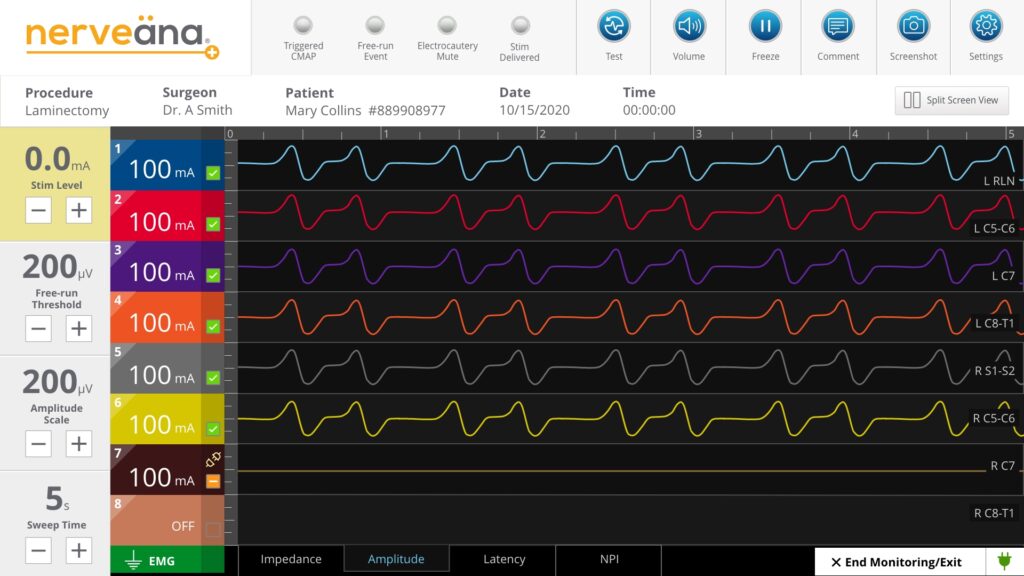
The EMGView software was redesigned with a high-contrast, modular layout to provide surgeons with instant, actionable data during high-risk procedures. The interface prioritizes critical nerve activity waveforms and threshold alerts, ensuring the surgical team can monitor patient safety at a glance without visual distraction.
A specialized UI framework was developed to ensure the software remains legible and functional under the unique lighting and high-stress conditions of an operating room.
High-Contrast Interface: Utilized a dark-mode foundation with high-contrast accent colors to ensure waveforms and alerts remain visible across the room, even under bright surgical overheads.
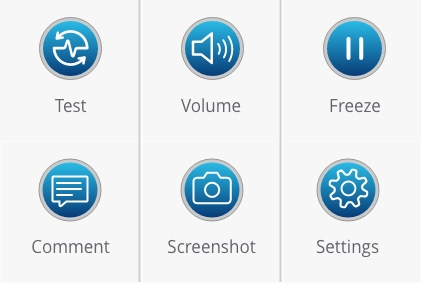
Standardized Component Library: Created a library of touch-optimized controls and data visualizations that meet medical safety standards, ensuring consistency across all diagnostic screens.
Scalable Data Modules: Designed flexible containers for multi-channel EMG monitoring that can adapt to different surgical needs without requiring a full layout redesign.
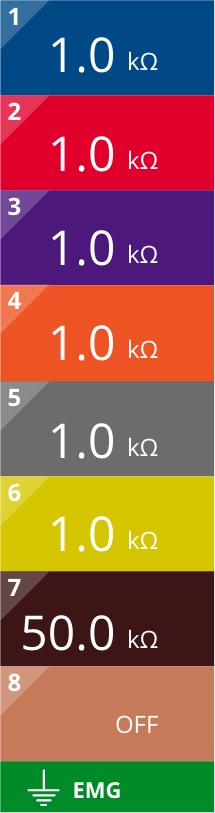
The interface was redesigned to guide clinicians through electrode placement and channel configuration, reducing setup time and the risk of manual errors before surgery.
Managing the vast array of settings and electrode configurations required a hierarchy that felt intuitive to a busy medical team.

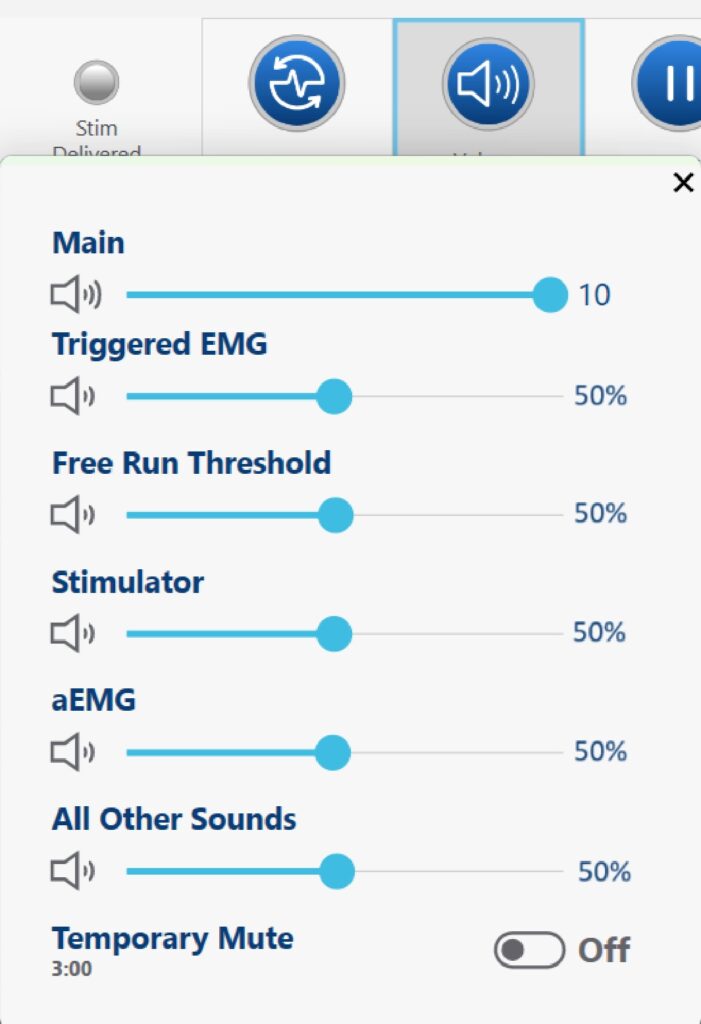
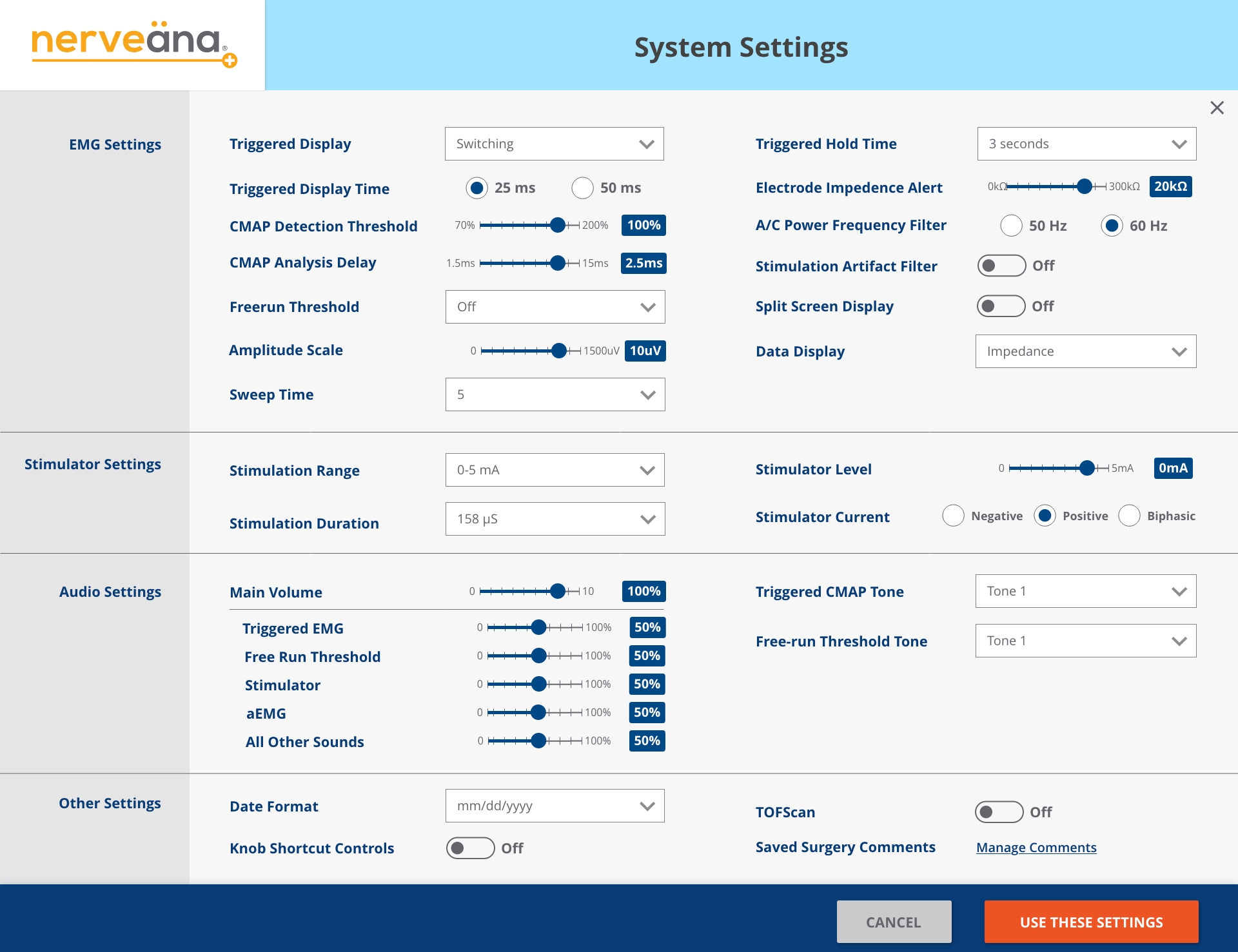
Reorganized a fragmented settings menu into a unified control center, allowing users to adjust sensitive equipment parameters without losing sight of the active monitoring status.
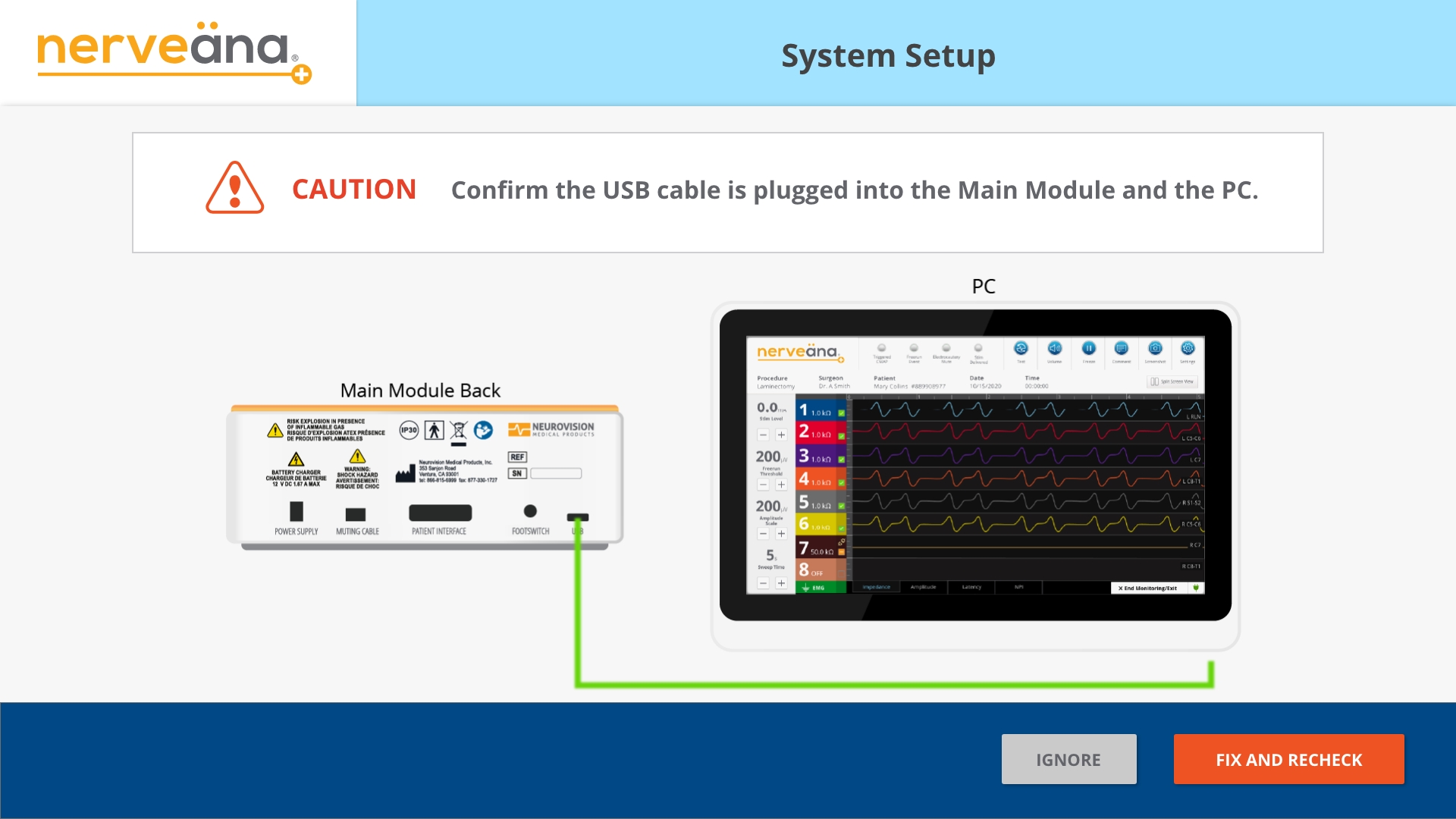
Added real-time feedback loops within the setup diagrams so clinicians can verify signal integrity and electrode connection status at a glance before moving to the next step.
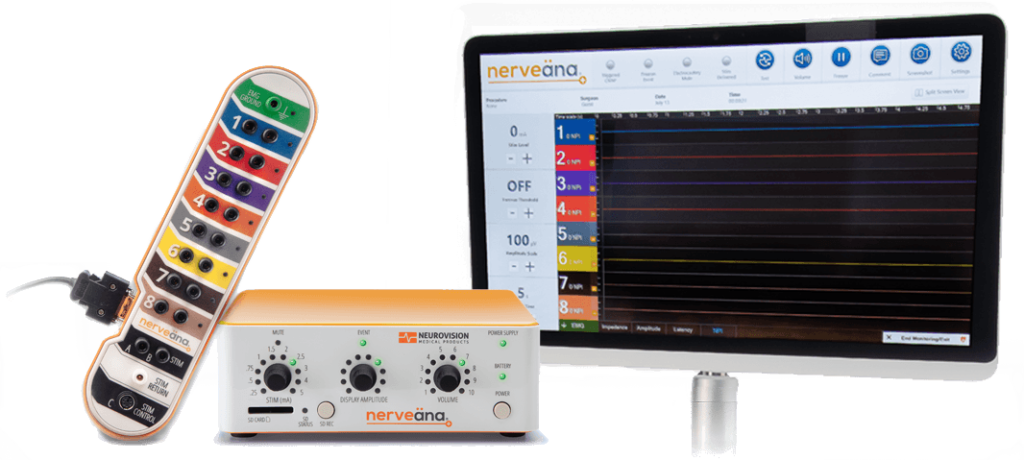
The redesign transformed a complex data-heavy system into a streamlined clinical tool, ensuring that surgeons can focus on the patient rather than the interface.
Regulatory Compliance: Played a key role in the interface development that successfully passed rigorous FDA safety protocols and human factors usability testing.
Operational Efficiency: Streamlined the pre-op configuration process, significantly reducing the time required for medical staff to map electrodes and verify signal integrity before surgery.
Global Market Launch: Delivered a high-contrast, touch-optimized UI that anchored the successful commercial launch of the Nerveäna system, providing clear, real-time visualization for high-stakes procedures.